Build the Menu Around the Salsa, Not the Meat
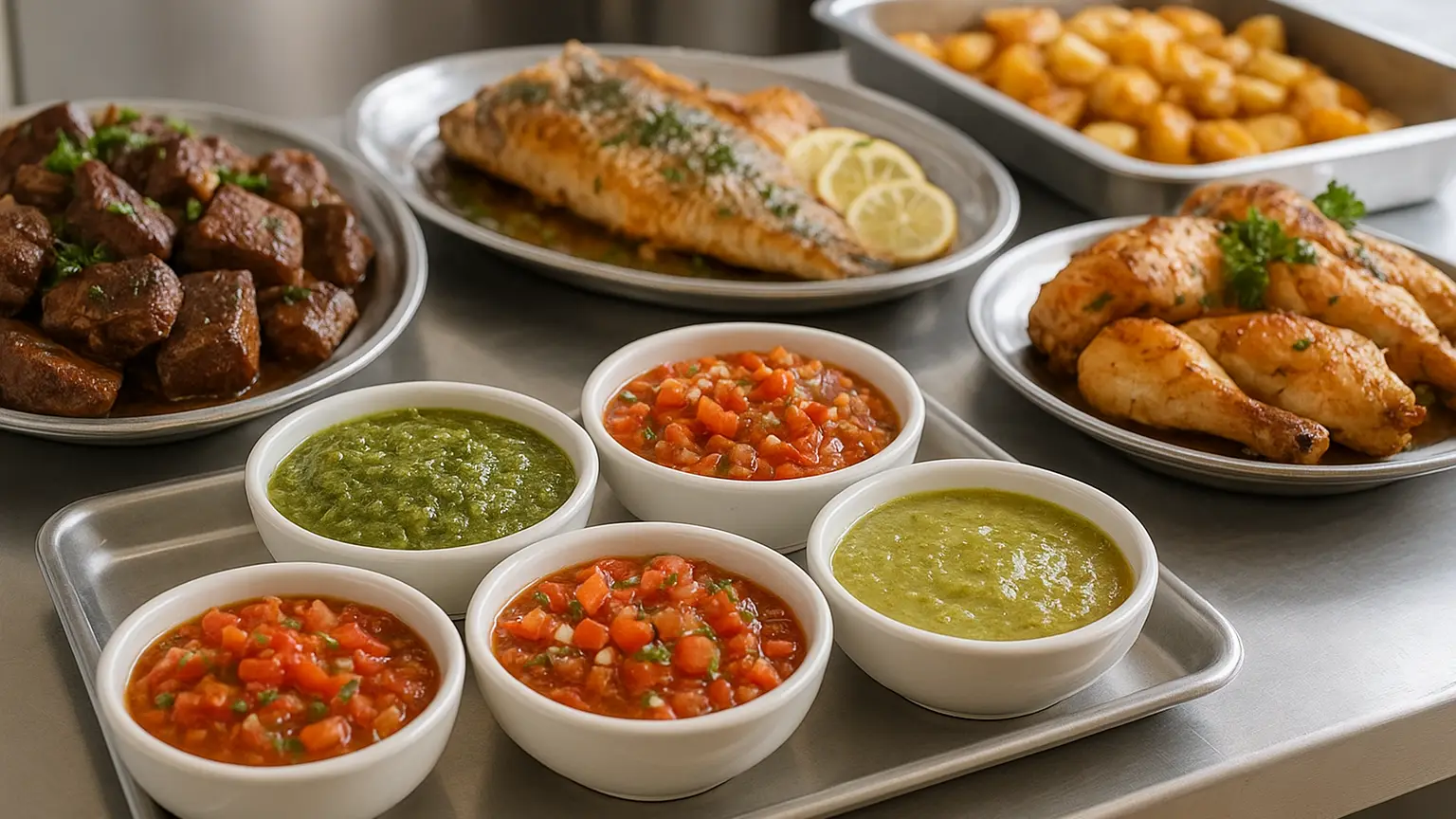
The cheapest bowl on the buffet carries the loudest memory. A four salsa flight, three proteins that hold their heat, and a late night encore that sends guests home talking.
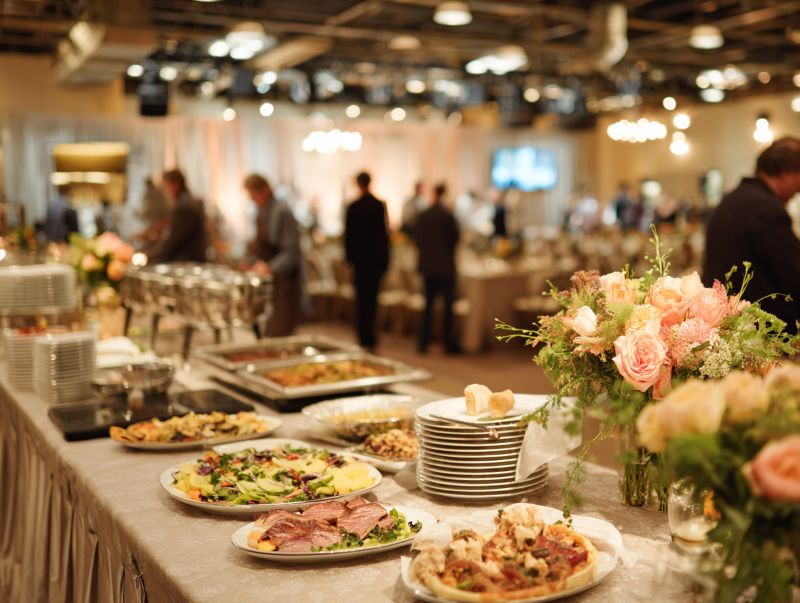
Part one of this series looked at the planning traps that show up long before anyone tastes food: guest counts, venue kitchens, dietary spreads, and the budget structure that quietly decides what is possible. Now comes the fun part, which is also the part most couples get backwards. They spend eighty percent of their menu energy on the main dish and almost none on the thing guests will actually talk about in the car ride home.
This series was shaped in part by the team at La Ristra, whose experience running high-volume New Mexican and Southwestern catering informed a lot of what follows, especially the point that a menu's memory value and its cost rarely line up the way people expect. The cheapest item on the table usually decides whether the food was "amazing" or just "fine."
Salsa Is the Cheapest Upgrade on Your Entire Menu
Think about the last Mexican meal you loved. You probably cannot describe the exact cut of meat. But you can describe the salsa. Was it smoky? Did it burn a little at the back of the throat? Was there a bright green one that tasted like a garden?
Flavor memory works through contrast and surprise, not volume. A slow-braised barbacoa is wonderful, but it is also familiar and soft and consistent. It does not create a spike. A salsa does. It hits fast, it varies bite to bite, and it gives guests something to have an opinion about. Opinions are what get repeated at the table.
The practical version of that idea: salsa costs a fraction of protein per guest, and it carries most of the conversation. That ratio is the single best leverage point on a Mexican wedding menu.
- Protein eats the biggest share of your food budget and delivers baseline satisfaction.
- Salsas and sauces cost little, scale easily, and deliver the story guests retell.
- Tortillas are the sleeper item, and bad ones undo everything above them.
None of this means you should cheap out on the meat. It means you should stop treating the salsa station as a garnish line and start treating it as the headline act.
Build a Salsa Flight, Not a Salsa Bowl
One salsa is a condiment. Four salsas is an experience. Plan the salsa lineup the way a bar plans a cocktail list: a range of intensities so nobody is excluded and everybody has a favorite to defend.
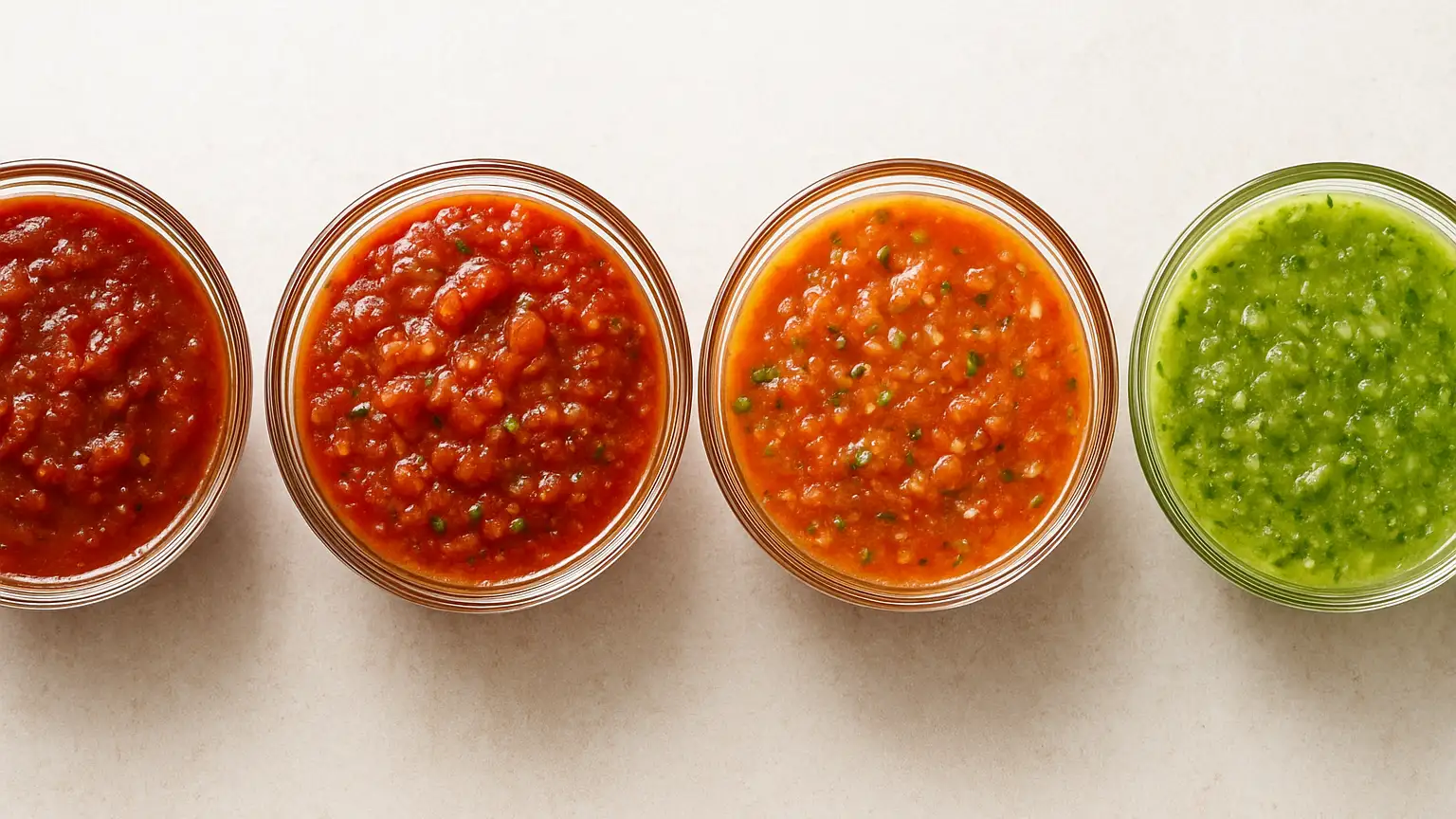
A Reliable Four-Salsa Spread
- A mild roasted tomato salsa for guests who "don't do spicy." Deep and sweet, not hot.
- A tomatillo salsa verde with bright acid, which wakes up rich, fatty proteins.
- A smoky chile de árbol or morita salsa with real heat. Label it and let the brave ones find it.
- A fresh salsa like pico de gallo or cucumber-mango for texture and cooling contrast.
Add one wildcard if the budget allows: salsa macha with crunchy peanuts and sesame, or a charred habanero-pineapple. The wildcard is the one people photograph and ask about by name. Label everything with clear heat levels, not tiny script cards nobody can read in low light. A guest who accidentally scorches themselves at cocktail hour stops eating for the rest of the night, and that is a real cost you never see on an invoice.

Cocktail Hour Is Where the Salsa Earns Its Keep
Guests arrive hungry, a little nervous, and ready to form opinions. Cocktail hour is the highest-attention window of the entire reception, so put your best flavor work here, not at the end. We like a chips-and-salsa flight paired with two or three small hot bites rather than a sprawling appetizer table that empties unevenly.
Opening Bites That Actually Work at Scale
- Freshly fried tortilla chips in paper cones, refilled constantly. Warm beats cold by a wide margin.
- Two guacamoles, one classic and one with something unexpected like pomegranate or roasted corn.
- Esquites cups, which travel through a crowd better than corn on the cob and spare the formalwear.
- Queso fundido in small cast iron with warm flour tortillas, held properly so it never turns rubbery.
- Ceviche or aguachile shooters if your venue and climate can support safe cold holding.
Skip anything that requires two hands and a knife. Guests are holding a drink, a clutch, or somebody's toddler. This is also where the planning decisions from the taco bar trap most couples fall into come back around, because your venue's kitchen access determines whether fried-to-order chips are realistic or a fantasy.
Mains: Pick Fewer Proteins and Cook Them Better
The instinct is to offer five proteins so everyone has something. The result is five mediocre proteins and a longer buffet line. Three is the sweet spot for most weddings between 100 and 250 guests.
Choose proteins that hold well over a two-hour service window. That is the real selection criteria, not what tasted best at a tasting where everything came straight off the flat top. Carnitas, barbacoa, cochinita pibil, and chicken tinga all improve or stay stable in their own juices. Thin-sliced carne asada does not, and if you want it, it needs to be cut and served in small batches by a live-action attendant.
For a vegetarian anchor, rajas con crema, calabacitas, or a chile-rubbed roasted cauliflower do more work than a plain bean option. Guests who eat meat will take them too, which is the sign you chose well. As the team at La Ristra puts it, a vegetarian item designed to be the best dish on the line, rather than an accommodation, quietly raises the perceived quality of the whole menu.
Sides and Tortillas
Rice and beans are expected, which makes them an easy place to exceed expectations. Arroz verde with cilantro and poblano reads as an upgrade over plain red rice for the same cost. Frijoles charros beat refried beans on a buffet because they hold moisture better under heat lamps. Add one green thing, like a jicama and citrus salad or a shaved cabbage slaw with lime, or plates start to feel heavy by the third bite.
And nothing sinks a Mexican wedding menu faster than cold, cracked tortillas in a plastic bin. If you can only splurge in one place besides salsa, splurge here.
- Order both corn and flour. The debate is regional, and your guest list contains both camps.
- Ask how tortillas will be held and reheated during service, not just where they came from.
- Budget roughly three per guest for a taco-style main, more if late-night bites are also tortilla-based.
- Consider a live comal station for weddings under 150. The smell alone does marketing work.
The Second Hunger Wave Nobody Plans For
Around 10 p.m., after two hours of dancing and open bar, your guests get hungry again. This is the most underrated food moment of the night and the one couples cut first when trimming budget. Cutting it is a mistake, because the last thing people eat is the last thing they remember. Late-night food should be handheld, fast, and unapologetically indulgent.
- Mini street tacos with leftover proteins, refired hot and topped with onion, cilantro, and the salsa flight again.
- Birria quesatacos with small cups of consomé. Messy, glorious, endlessly photographed.
- Churros with cajeta and chocolate, which handle a crowd better than a plated dessert.
- Elote-style fries or chips with queso for guests past the taco phase of the evening.
- Tamales, if your family tradition includes them. They hold better than almost anything else.
Bring the salsas back out. Guests who found their favorite at cocktail hour will actively look for it, and a second encounter is what turns a nice detail into a memory.
Drinks That Match the Sauce, Not Just the Season
Pairing at a wedding is less about sophistication and more about relief. Spicy food creates a need, and the bar should answer it. Anything with lime, salt, bubbles, or a little sweetness resets the palate. Margaritas obviously work, but consider a signature that leans lower in alcohol so guests can have three across a long night: a tamarind or hibiscus margarita, a paloma with fresh grapefruit, or a michelada bar with a few hot sauce options. Give the non-alcoholic options the same effort. Agua fresca in tall glass dispensers costs almost nothing and looks beautiful, and horchata, jamaica, and cucumber-lime pull double duty as a cooling agent for the salsa crowd.
A Few Bar Rules Worth Following
- Set the bar away from the food line so the two crowds do not collide.
- Pre-batch the signature cocktail, or you will have a twenty-minute line by 8 p.m.
- Put pitchers of agua fresca on guest tables during dinner. It cuts bar traffic and keeps everyone hydrated.
- Serve mezcal or tequila flights as a small station rather than a full bar offering.
Tasting Notes: How to Judge a Menu Before You Sign
At your tasting, resist the urge to evaluate each dish alone. Build a real plate the way a guest would, with rice and beans and a tortilla and two salsas piled on top. That combined bite is the actual product you are buying. Ask how each item behaves after forty minutes in a chafing dish, and what gets prepped on site versus in the commissary. A caterer who answers in specifics is telling you they have thought about service, which becomes everything once wedding service timing enters the picture and your beautifully planned menu meets a real clock.
The Bowl That Outlives the Buffet
Your entrée feeds people. Your salsa gives them something to say. That is the whole trade, and once you see it, the menu-building process gets clearer and honestly cheaper. Put your money where the flavor spikes are: a salsa flight with range and clear labeling, three well-chosen proteins that hold their temperature and their dignity, sides that add brightness instead of bulk, tortillas that arrive warm, and a late-night round that brings the best flavors back for an encore.
The couples who get this right are not the ones with the biggest catering budgets. They are the ones who understood that memory is built on contrast, and contrast is cheap. A guest will forget whether the pork was braised for six hours or eight. They will not forget the smoky árbol salsa that made them sweat a little, or the fact that somebody thought to put warm tortillas and cold agua fresca within arm's reach at midnight.
Let the clock work for your menu, not against it
Fiesta Creative Catering has fed weddings, film sets and backyard parties across Arizona for two decades. Share your plans and we will map the food, the staff and the timing.