The Clock Is the Real Chef at Your Wedding
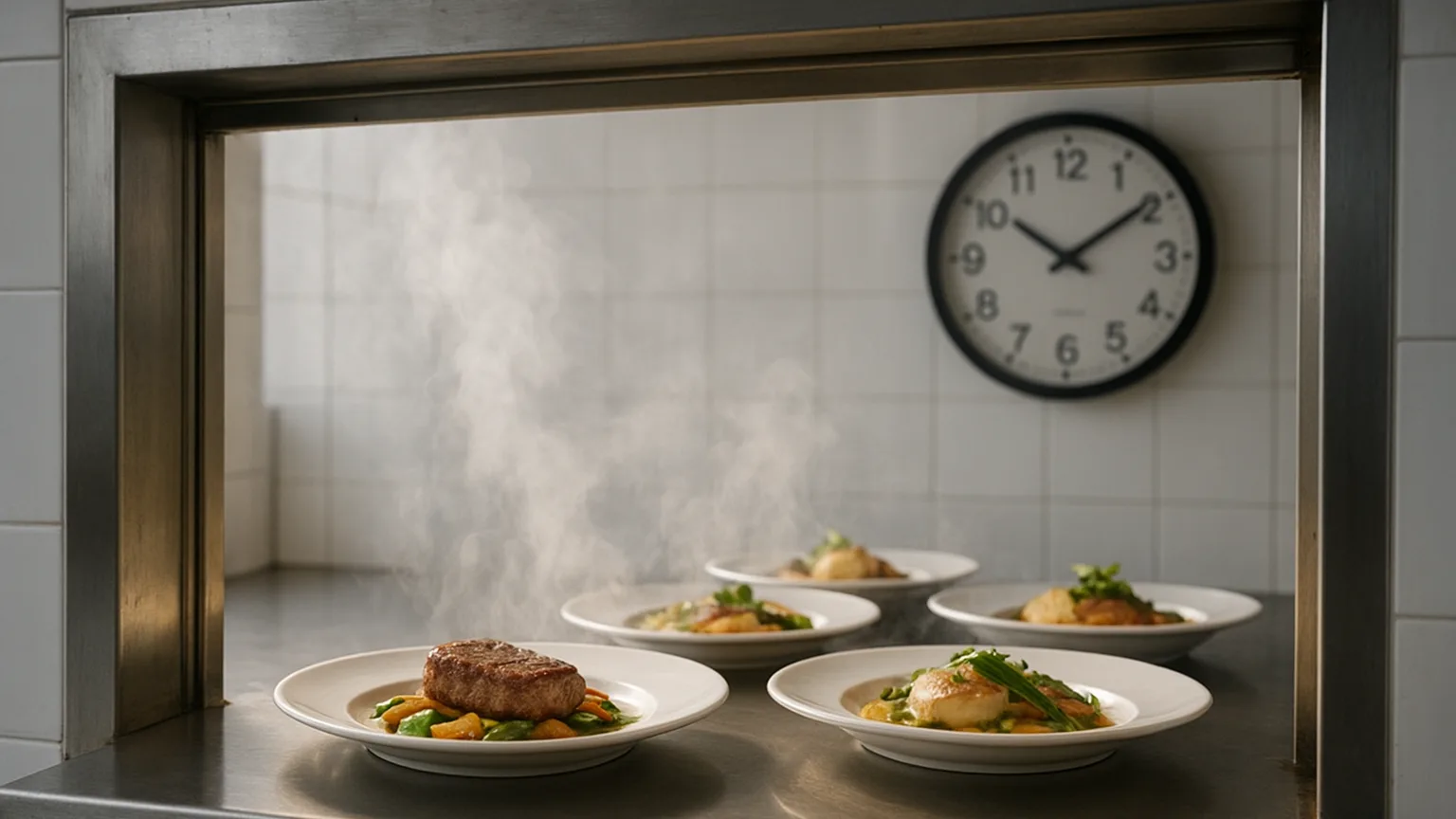
Dinner gets decided in about ninety minutes, not in the tasting room. Staffing ratios, pan swaps and a table release plan that keep barbacoa hot from the first table to the last.
In the last part, we talked about how salsa quietly runs the show and why guests build their memory of the night around flavor, not price tags. Now comes the part nobody posts about: the four hours where all of that planning either holds together or falls apart on a chafing dish.
This series was shaped in part by the catering team at La Ristra, whose experience running high-volume Mexican service at weddings and private events helped sharpen the practical timing advice throughout. Their point was simple and it stuck with us: the menu is decided months out, but the meal is decided in about ninety minutes.
Heat Dies in the Safety Cushion
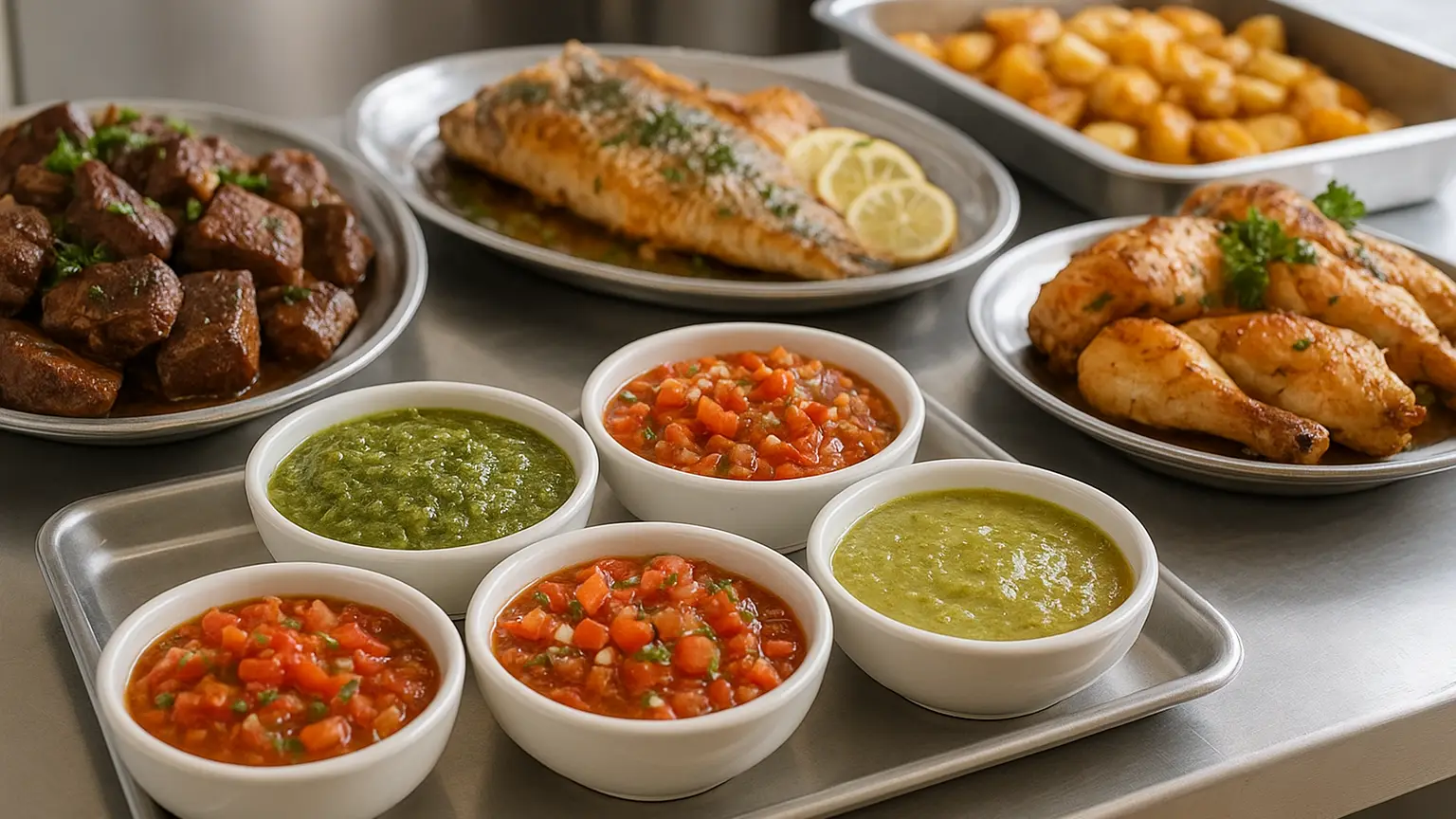
Here is the thing about barbacoa. It is forgiving in the pot and brutal on a buffet line. Slow-braised beef cheek or lamb holds moisture beautifully at depth, but spread it thin across a hotel pan under a weak flame and it starts shedding heat fast. The top layer dries. The bottom layer sits in cooling liquid. By the time the third table gets called, someone is eating good meat at a bad temperature.
The frustrating part is that this almost never happens because the food was cooked poorly. It happens because the food was ready too early. A caterer who is nervous about the schedule will pull everything forward as a safety cushion. That cushion is exactly where heat goes to die.
The Real Timeline Killers
- Photos that run long. The couple disappears for golden hour and dinner slides twenty-five minutes.
- Toasts that were supposed to be short. Three planned speeches become six because the best man brought his brother up.
- A cocktail hour that becomes cocktail ninety. Guests are having fun, nobody wants to break it up, and the kitchen is already plated.
- Late transport. Shuttle from the ceremony site hits traffic and half the room is not seated.
Every one of those is normal. None of them are emergencies. The mistake is treating the food schedule as fixed while the human schedule floats. A catering team that cannot re-fire on twenty minutes notice will serve you a cold apology instead of dinner.
The Numbers Hiding on Your Proposal
Ask a caterer how many staff they are bringing and the answer tells you more about your wedding than the menu tasting did. Numbers look boring on a proposal. They are the whole difference between a line that moves and a line that stalls out by the salsa station.
For a buffet-style Mexican wedding feast, a working rule is one attendant per serving station, plus one runner per two stations, plus bussers at roughly one per forty guests. For plated service, you want one server per sixteen to twenty guests if you expect all entrées on the table within about twelve minutes. Those ratios are not padding. They are what keeps the second half of the room from eating a different meal than the first half.
What Understaffing Actually Looks Like
It rarely looks like chaos. It looks like small delays stacking up. One person handling both carnitas and cochinita pibil means the pan never gets swapped out, so the same batch sits under heat for forty minutes. No dedicated runner means the backup pans stay in the kitchen where they are perfect, while the ones on the line go dry. No busser means tables fill with plates and guests stop getting up for seconds.
The other cost is temperature discipline. A properly staffed line swaps pans on a timer, not when they look empty. That single habit, which is one of the things the team at La Ristra emphasizes about high-volume service, is the difference between barbacoa at 150 degrees and barbacoa at 110.
Questions Worth Asking Before You Sign
- How many staff are on site, and how many are front of house versus kitchen?
- Who owns the hold temperatures during service, and how often are they checked?
- What is the pan swap interval for braised proteins and for tortillas?
- If dinner slides thirty minutes, what changes in your plan?
- Who talks to the DJ or coordinator when the room is ready to be released?
That last one matters more than it sounds. The person who releases tables to the buffet controls the pace of the entire meal, and if nobody has been given that job, the room releases itself all at once. Everything you planned around a salsa-first wedding menu falls apart when 180 people stand up at the same moment.
Three Service Formats, Three Failure Points
The buffet versus plated debate usually gets framed as a budget question. It is really a heat question. Each format fails in a different way, and knowing how yours fails lets you build around it.
Where Each Format Breaks
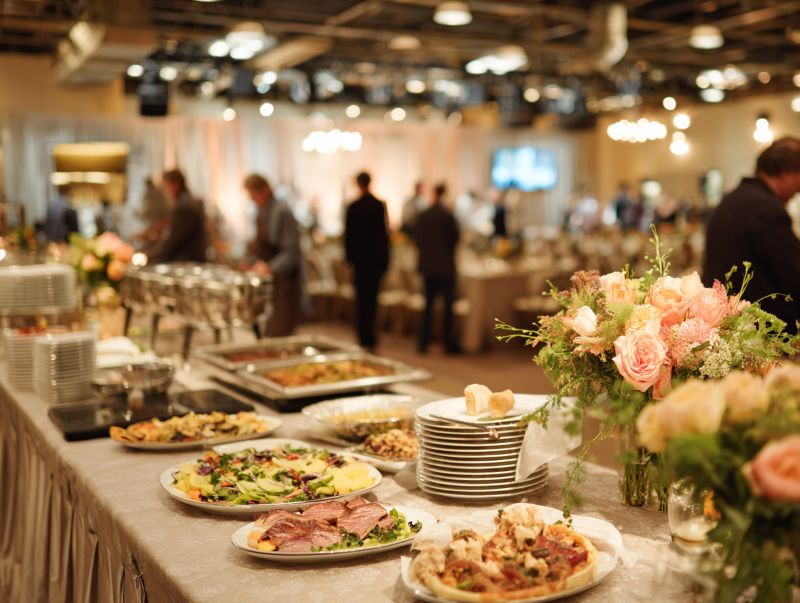
Buffet gives guests variety and generous portions, which suits Mexican food perfectly. It breaks when the line is too long, when there is only one line for a big room, or when the last table waits thirty-five minutes to eat. Two mirrored lines double your throughput and cost almost nothing extra in food.
Plated gives you control and a cleaner room. It breaks when the kitchen is small, when the venue has no real hold capacity, and when braised meats have to sit on plates under warming lamps. Saucy proteins do not love plated service. Grilled and roasted items do.
Family style is the underrated middle ground for this cuisine. Platters of carne asada, bowls of frijoles charros, stacks of tortillas in cloth warmers, salsas already on the table. Food arrives hot, in volume, at the same moment for every table. It also gets people talking, which is very much the point of a Mexican table.
The Detail Almost Nobody Plans For
Tortillas. Not the meat, not the rice. Tortillas are the single fastest-cooling item on the menu and the one guests judge hardest. A cold, stiff tortilla makes excellent barbacoa taste like leftovers. Cloth-lined warmers, small batches, and frequent replenishment are non-negotiable, and if your venue kitchen setup cannot support that rhythm, which is one of the realities worth sorting out early during your early taco bar planning conversations, you need a different service plan.
A Simple Service Sequence That Works
- Cocktail hour bites stay light. Do not fill people up before the main event.
- Final hot items fire when the couple enters the room, not before.
- Toasts happen after the first course or during it, so the kitchen is not waiting.
- Release tables in waves of three to four, two to three minutes apart.
- Swap every protein pan on a set interval, regardless of how full it looks.
- Late-night bites go out around the ninety-minute mark of dancing, not at a fixed clock time.
What a Warm Plate Really Says to Your Guests
Across these three parts we went from the trap of assuming a taco bar solves everything, through the realization that salsa and flavor carry the memory of the night, to this: none of it survives without a clock that respects the food. Menus get chosen in tasting rooms. Meals get made or ruined in the gap between the last photo and the first plate. The couples who end up with genuinely hot, generous, unhurried food are not the ones who spent the most. They are the ones who asked how many staff, how many lines, how often the pans get swapped, and who makes the call when the schedule moves.
A warm plate is a form of hospitality that guests feel before they can name it. It tells them someone was paying attention on their behalf while they were busy having a good time. That is the whole ambition of a Mexican wedding feast anyway, a table that feels like it was built for people who plan to stay a while. Get the timing right and the barbacoa never needs an apology. It just needs a tortilla that is still warm enough to fold.
Let the clock work for your menu, not against it
Fiesta Creative Catering has fed weddings, film sets and backyard parties across Arizona for two decades. Share your plans and we will map the food, the staff and the timing.